
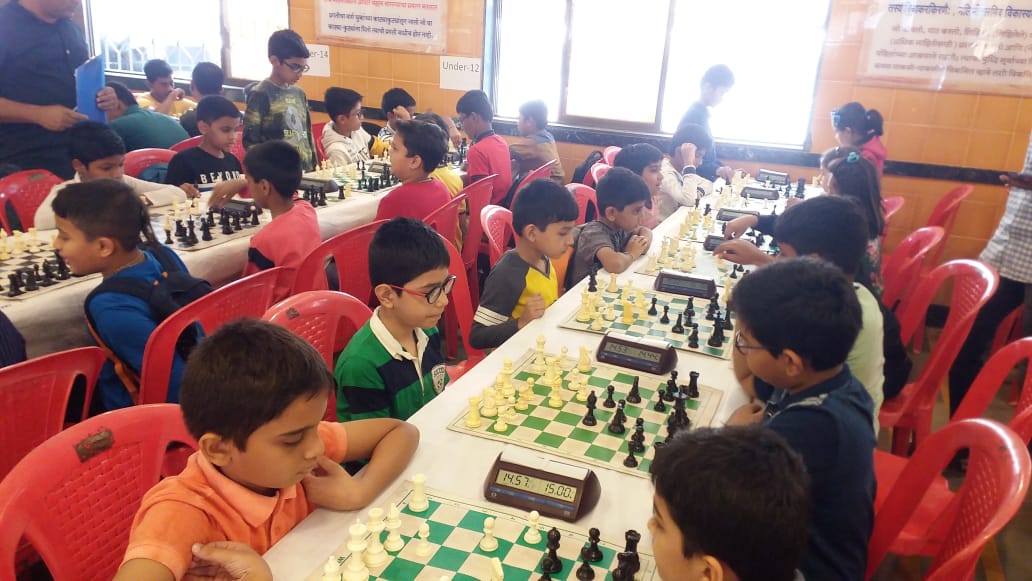
Beyond mental benefits, chess teaches life lessons that extend far beyond the board. The game promotes discipline, as players must dedicate time to study strategies and improve their skills. Chess also teaches resilience, as losses are inevitable but provide valuable lessons for growth. It helps players embrace setbacks, learn from mistakes, and persevere toward success.
Furthermore, chess instills the importance of patience. Success doesn’t come instantly, and it requires careful planning and foresight—qualities that can help navigate the challenges of life effectively.
- Resilience and Adaptability: Losing is part of chess. It teaches players to bounce back from failure and adapt their strategies for future success.
- Decision-Making Under Pressure: Players must make quick decisions while considering the consequences, an essential skill in real-life situations.
- Time Management: Chess players often manage limited time per move, improving their ability to prioritize tasks efficiently in real life.
- Self-Discipline: Consistent practice and study are key to improving in chess, instilling a sense of discipline that carries over into personal and professional life.
- Emotional Control: Chess teaches emotional regulation, as players must maintain composure during intense situations, a skill beneficial in stressful real-world scenarios.